VINEYARD25 · ZAMBIA

ZOE Zambia

ZOE Zambia works alongside children, families, schools and rural communities around Chipata, helping remove practical barriers to education, health and a more secure future.

Helping children stay with family and build a future

ZOE began with a simple conviction: when a child loses a parent, the best answer is often to strengthen the family and community already around them rather than separate them from it.

For some children that means living with a surviving parent. For others it means grandparents, aunts, uncles or another guardian taking responsibility for an extra child in a household already living on very little.

ZOE works alongside those families rather than replacing them. The support is practical and long term, helping children remain in education, access medical care when needed and grow up with more choices available to them.

The name ZOE comes from the Greek word for life, often translated as abundant or full life. That remains a good summary of what the team hopes to see for every child it supports.

ZOE at a glance

The programme is deliberately small enough for the team to know the children and families personally, while the wider projects have grown to benefit hundreds of people across the surrounding communities.

100+

children supported since ZOE began

More than one hundred children have received varying levels of educational, medical and practical support, with the aim of helping them remain within their family and continue in education.

9

clean-water wells funded

Nine wells have brought safer water closer to villages where ZOE children live, reducing long journeys to collect water and helping improve health for whole communities.

435

children at John Hunt Primary

What began with a small kindergarten and a community wanting better classrooms has grown into a substantial primary-school campus serving hundreds of local children.

3

ZOE young people at university

Three young people supported through ZOE had progressed to university by 2026 — an opportunity that would once have seemed extremely unlikely.

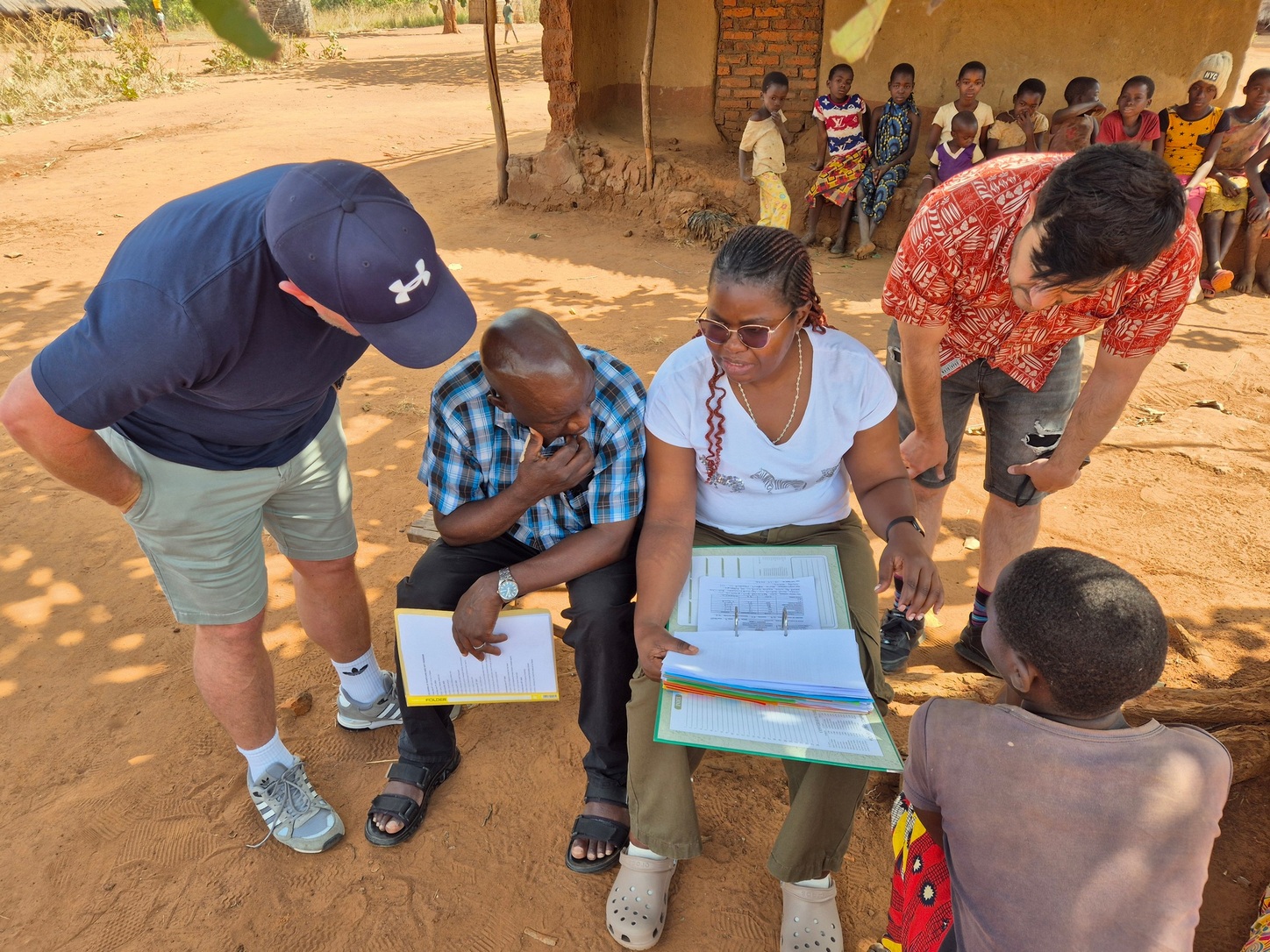
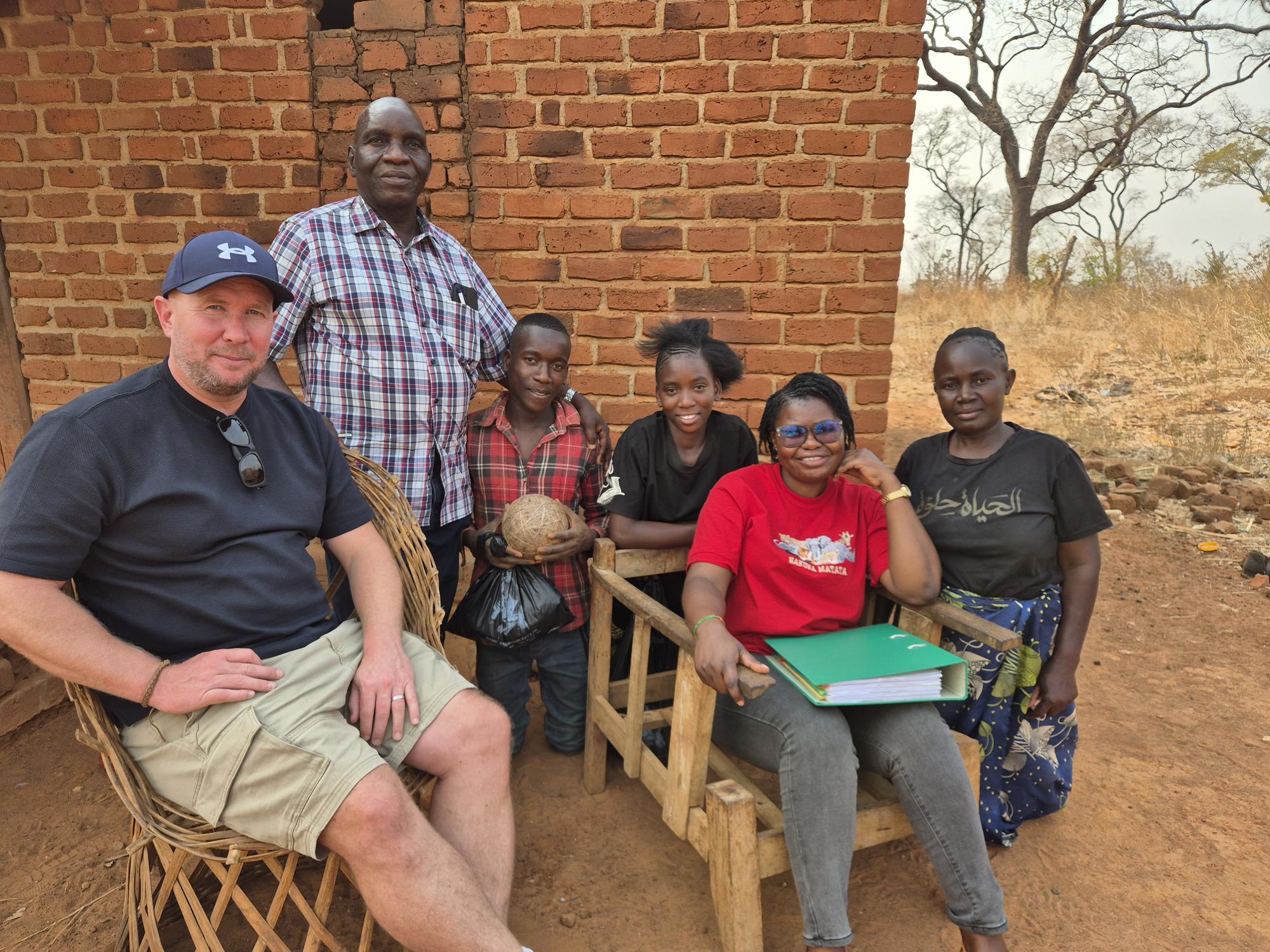
The ZOE team visiting a family and reviewing a child's progress at school.

Supporting children for the long term

The aim is not simply to solve one immediate problem. ZOE builds relationships with children, guardians and schools and stays involved as circumstances change.

Local head teachers are often the first people to identify families who may need help. Stephen and Charity then visit the household, speak with guardians and understand the child's circumstances before the wider ZOE team decides what support may be appropriate.

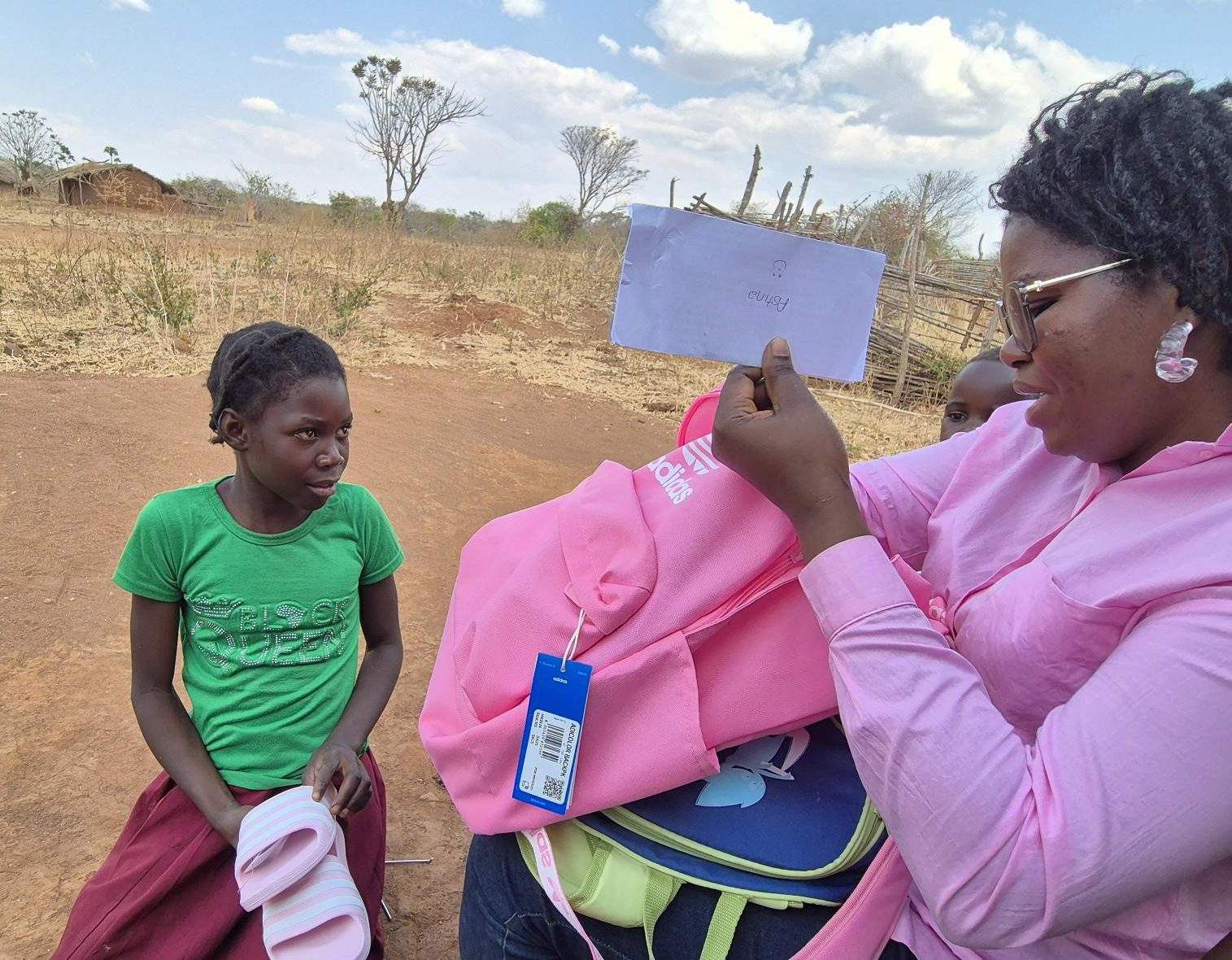
Support is given in kind rather than as cash. Depending on the child, this can include school fees, compulsory uniforms, shoes, books and other school supplies, everyday clothing, medical care and, where circumstances are particularly difficult, food.

Education is treated as a partnership. Families receiving support are expected to help children attend school consistently, while the ZOE team keeps in touch with teachers and guardians and follows each child's progress over time.

Regular sponsorship provides dependable funding through those years and allows sponsors to receive appropriate updates as the child they support grows.

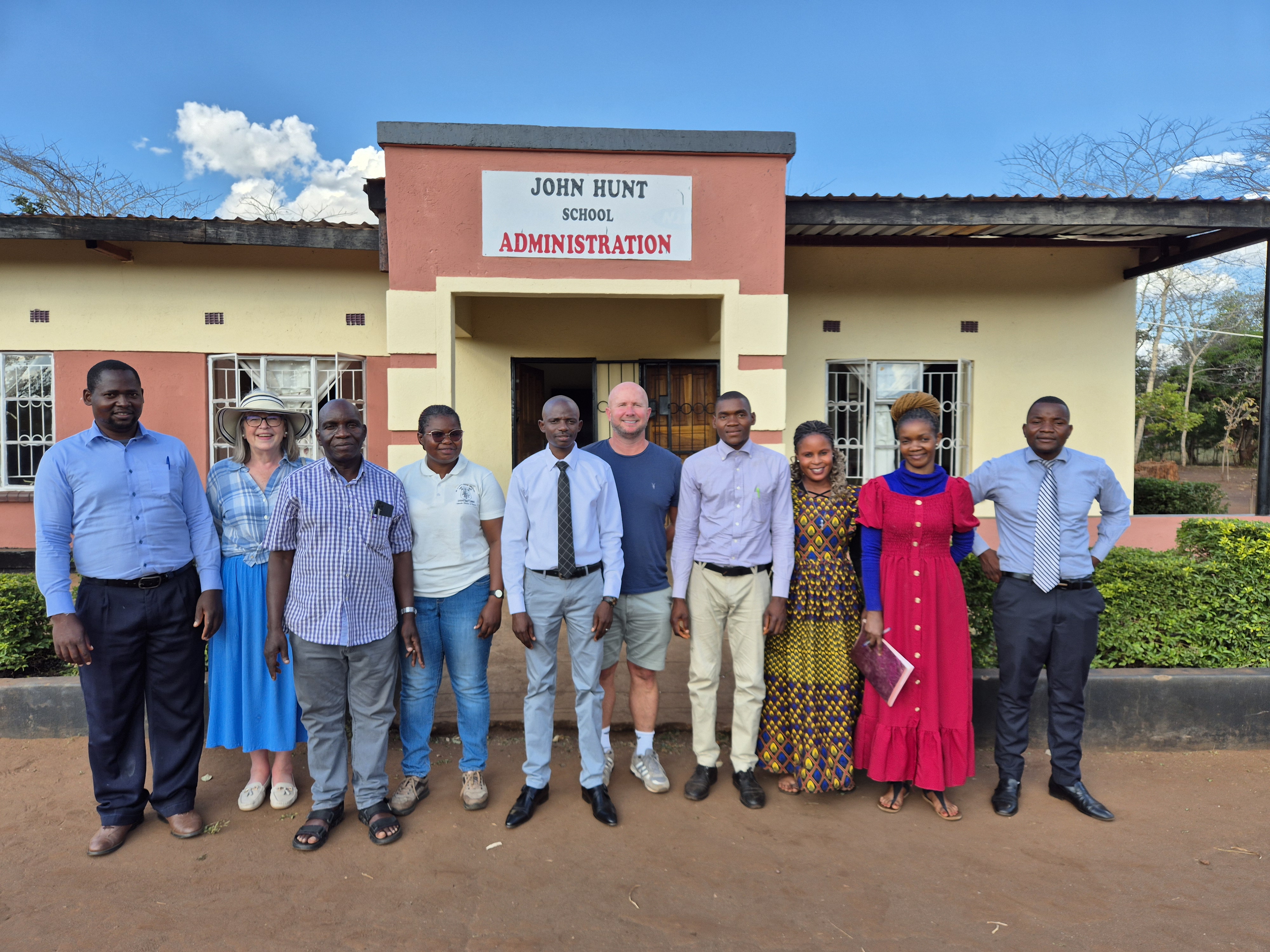
John Hunt Primary School in Eastern Zambia.

Education that can change a future

ZOE did not originally set out to build schools. That part of the work grew because the team repeatedly encountered children who wanted to learn but simply did not have the facilities they needed.

Mwazyangulu. In 2015 more than 100 children were being taught in a thatched community school with a cement blackboard and seats made from mud. Local families had already made bricks and laid foundations for something better. Vineyard25 and ZOE supporters helped them complete two classrooms, an office and later a teacher's house, allowing the school to secure a trained government teacher.

Mercer's Kindergarten. A small community building constructed in Makhasa village in 2015 quickly became a kindergarten serving around 80 children. It gave younger pupils a much stronger start and eventually became the first part of what is now the John Hunt Primary campus.

John Hunt Primary School. Following a donor visit in 2018, a group of supporters funded a purpose-built primary school. Between 2020 and 2022 the site gained seven classrooms, an administration centre, toilets, a solar-powered borehole, teacher accommodation, running water and solar electricity.

The campus has continued to grow. Around 435 pupils now attend, a second kindergarten provides a dedicated space for around 90 younger children, and two large tanks provide 10,000 litres of water storage for the school.

Mary's Meals also operates a feeding programme at the school, with local volunteers preparing food in kitchen space supported by ZOE. HOPE provides nursery care for younger children locally.

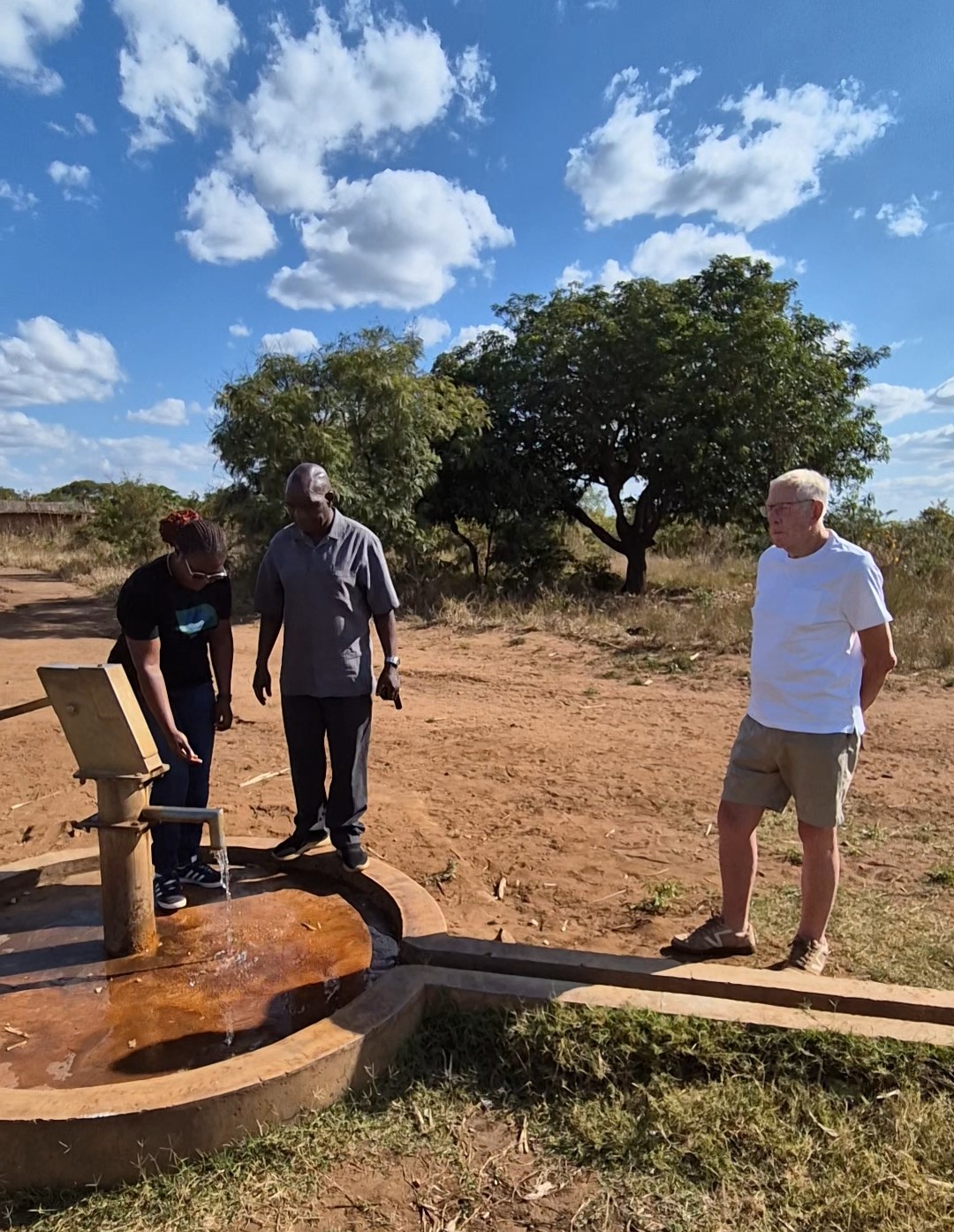
A clean-water well supported by ZOE Zambia.

Clean water closer to home

The first years of the programme quickly showed that a child's education and health are closely connected to something as basic as access to safe water.

Many villages relied on poor-quality water some distance from home. Women and children could spend a significant part of each day collecting heavy containers, while unsafe supplies contributed to preventable illness.

Much of the Chiefdom sits above an aquifer that can provide clean drinking water directly from the ground. Donors have enabled ZOE to fund nine wells in communities connected with the programme.

Each well has a protected concrete surround and a manual pump. Spilled water is channelled towards a lined pit so it can also be reused for nearby gardens rather than simply being lost.

Where we work

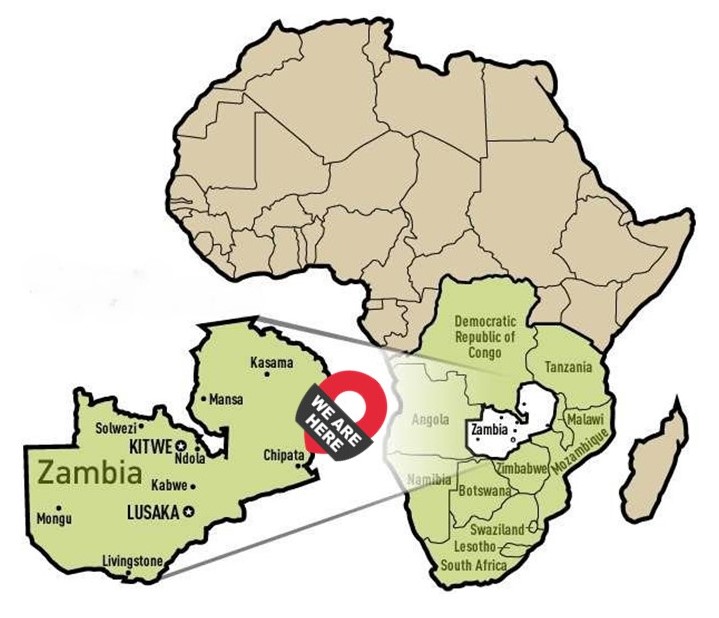
ZOE works around Chief M'nukwa's kingdom, roughly 20 miles from Chipata in Zambia's Eastern Province and close to the Malawi border.

Map showing the area of Eastern Zambia where ZOE works.

Eastern Zambia

A wide rural area where distance and infrastructure shape everyday life.

The programme covers an area of roughly 300 square miles. Many routes are little more than rural tracks, while access to mains electricity and running water remains limited in many communities.

Most families rely on subsistence farming and therefore depend heavily on the annual rains and on the crops they are able to grow themselves.

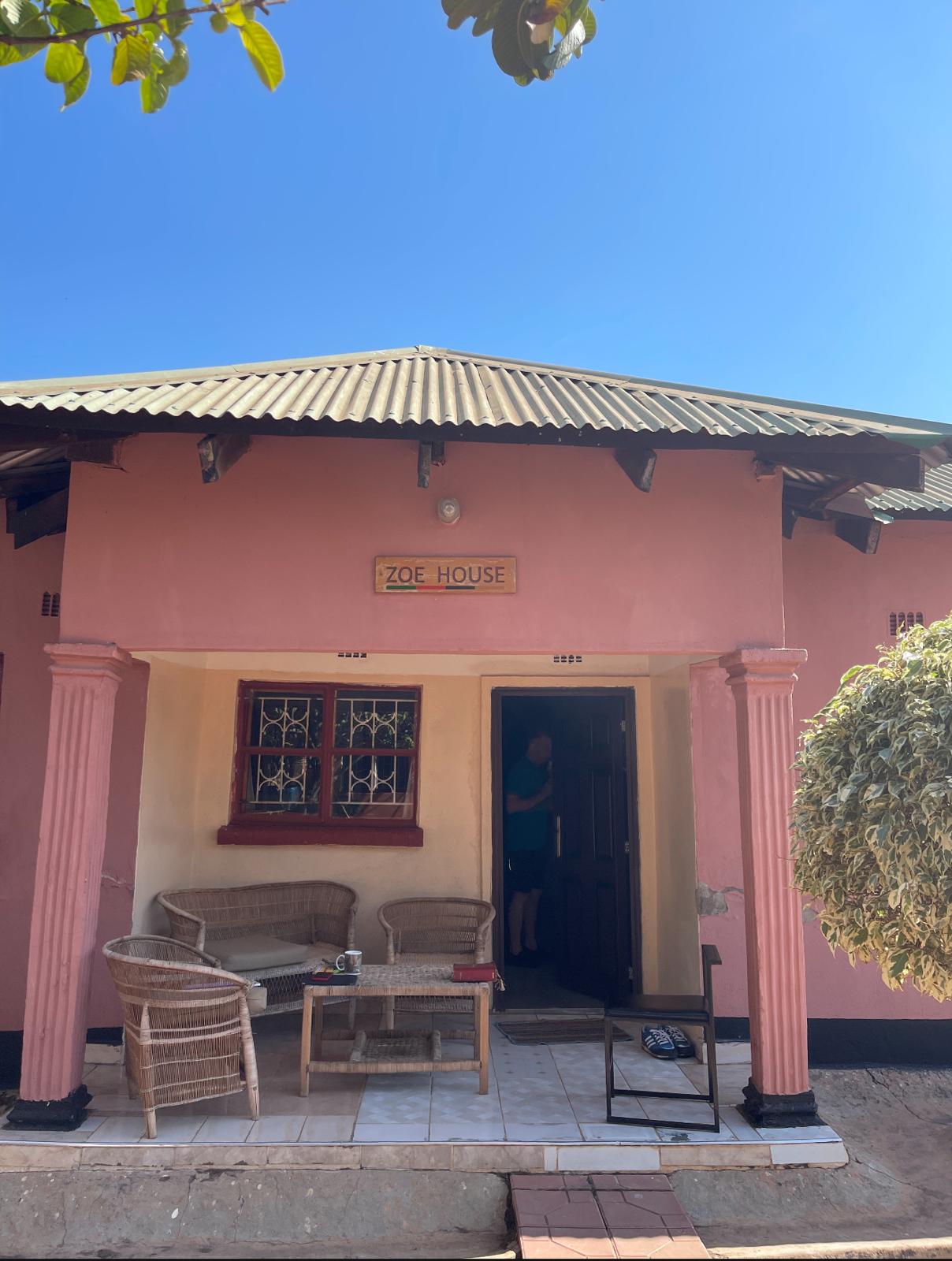
ZOE House in Chipata.

ZOE House

A practical base for the programme in Chipata.

In 2015 an unfinished two-bedroom house on Stephen Ngwira's property was completed to give visiting teams a permanent and much more economical base.

A generator and later a borehole made the house more resilient to unreliable electricity and water supplies. That practical infrastructure means visiting teams can stay close to the work without placing unnecessary pressure on programme funds.

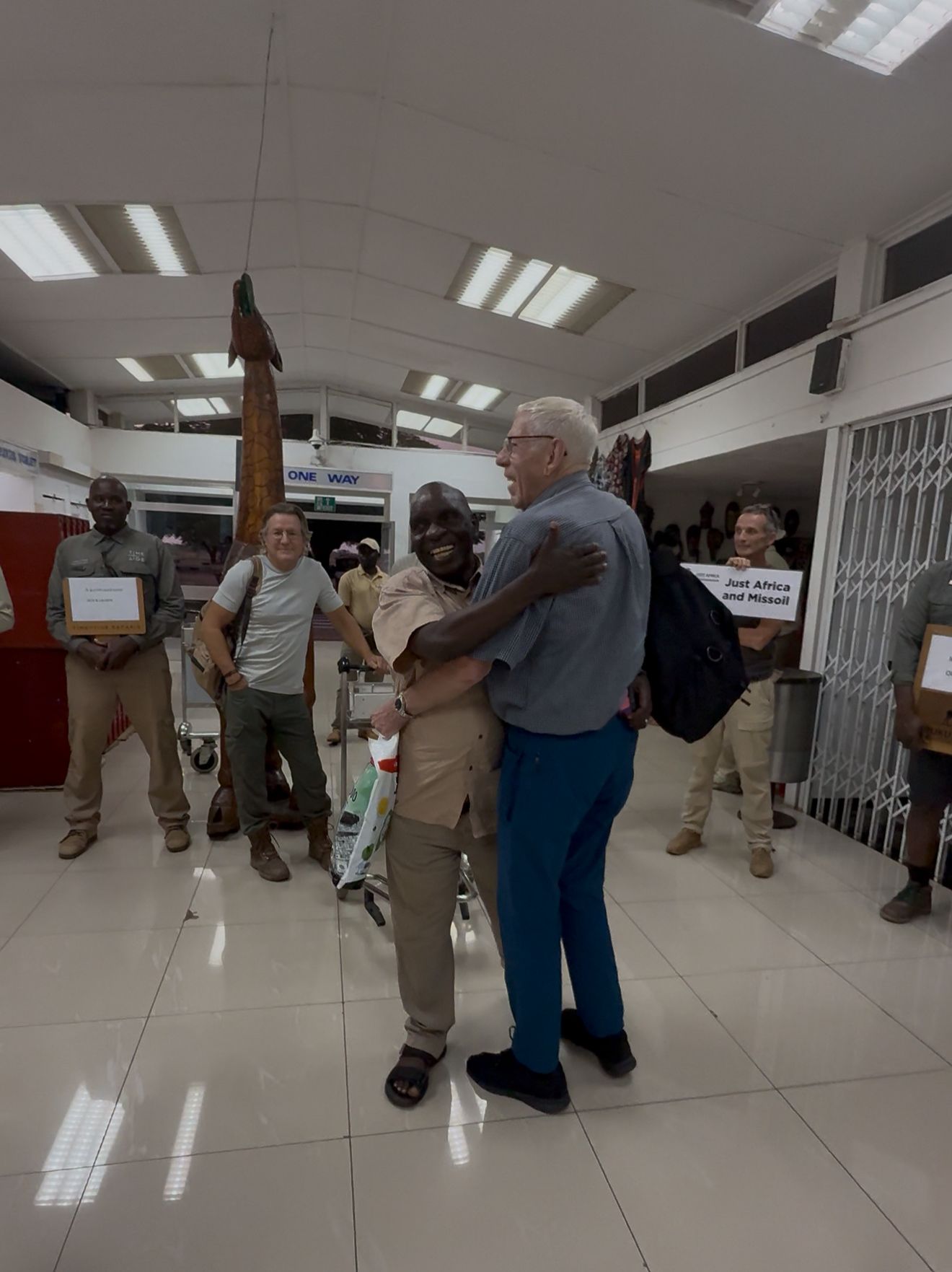
John Hunt and Stephen Ngwira in Zambia.

OUR STORY

How ZOE Zambia began

The story starts with ZOE's founder, John Hunt, and a country that had shaped him from childhood.

John moved to rural Zambia with his parents as a young boy. As an only child, much of his time was spent alongside local farm workers' children, learning bushcraft, local customs and language. That knowledge was later deepened during his time in the Zambian Army.

After later careers in the British Army and golf-club management, retirement eventually drew him back towards Zambia and towards the question of how he might use his experience to help.

In July 2012 John and Chris Taylor travelled around 2,000 miles through Zambia looking at different approaches to caring for children who had lost parents. The principle John kept returning to was one rooted in the culture he already knew: wherever possible, keep children within their extended family and support that family to care for them well.

ZOE Zambia grew from that conviction. What began as a children's support programme gradually expanded into education, clean water and wider community projects as the team encountered needs that could not sensibly be ignored.

John later handed the day-to-day leadership of ZOE on to the next team. His name lives on at John Hunt Primary School, while his wider legacy can be seen in the children, families and communities whose opportunities have changed through the work.
Leadership & governance

ZOE is led by volunteers working across the UK and Zambia. The relationships with children, guardians, schools and communities are maintained locally throughout the year, rather than only during UK visits.

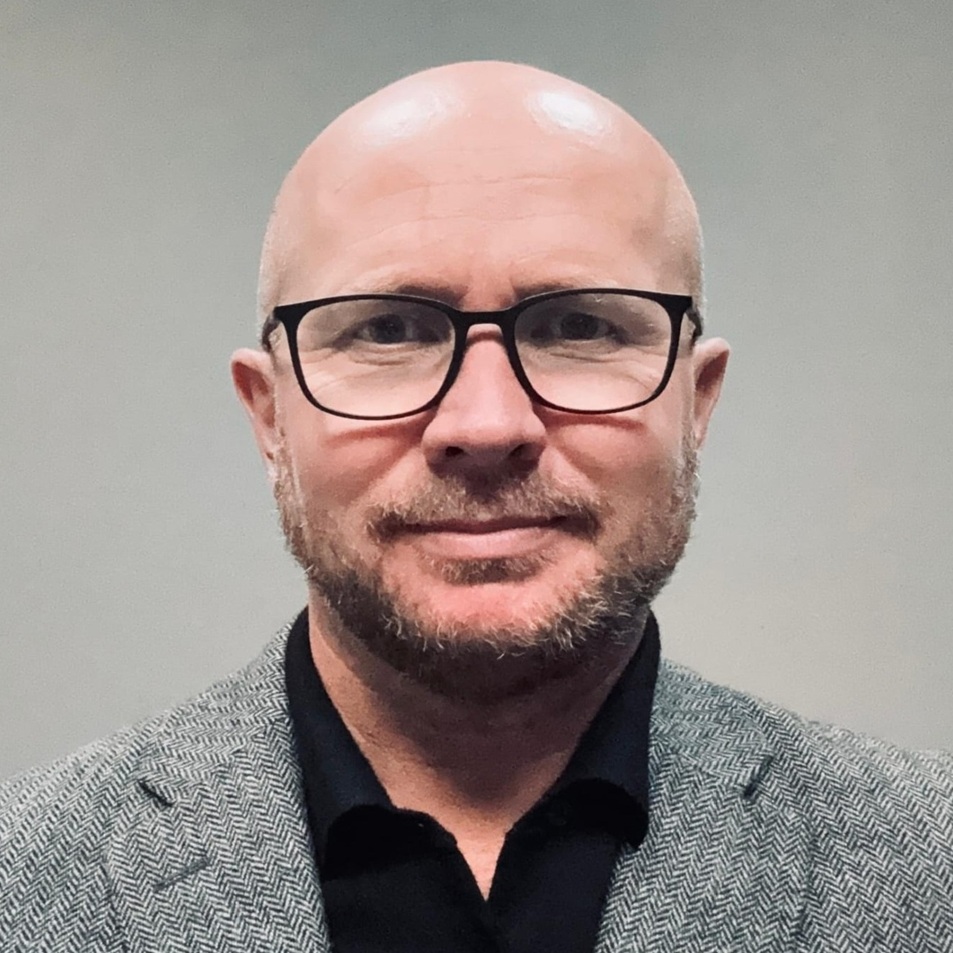
Nick, CEO of ZOE Zambia

Nick

CEO

Martin

CIO & Chief of Staff

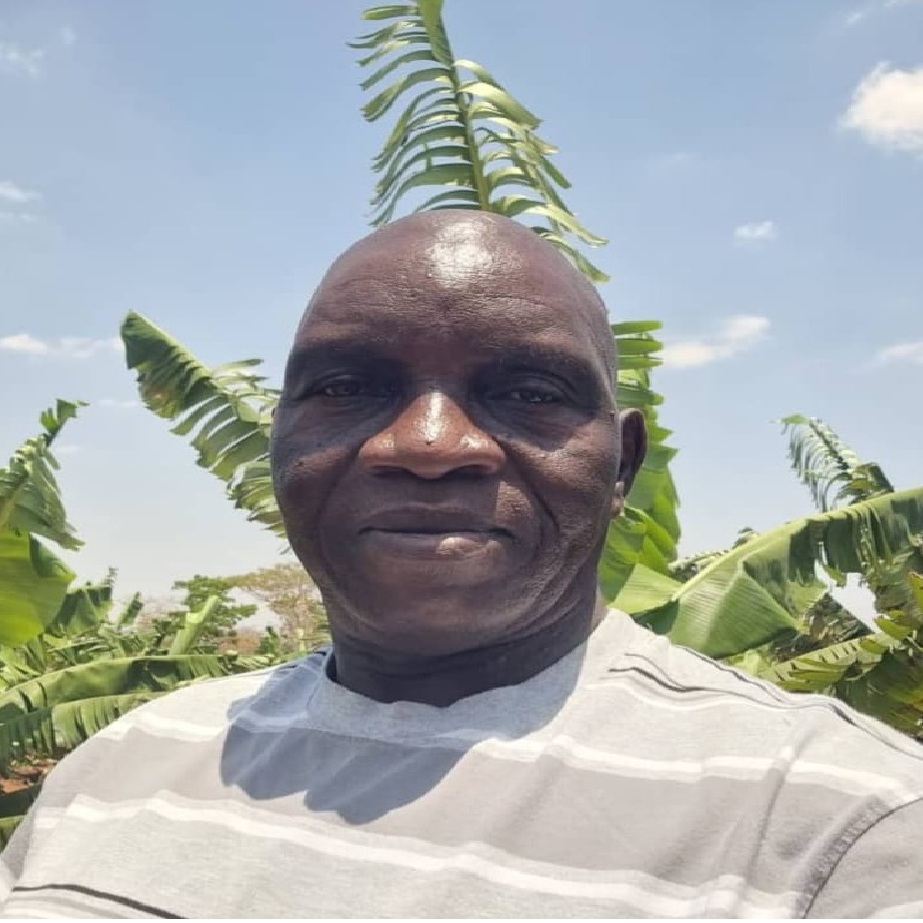
Stephen, Operations Director for ZOE Zambia

Stephen

Operations Director · Zambia

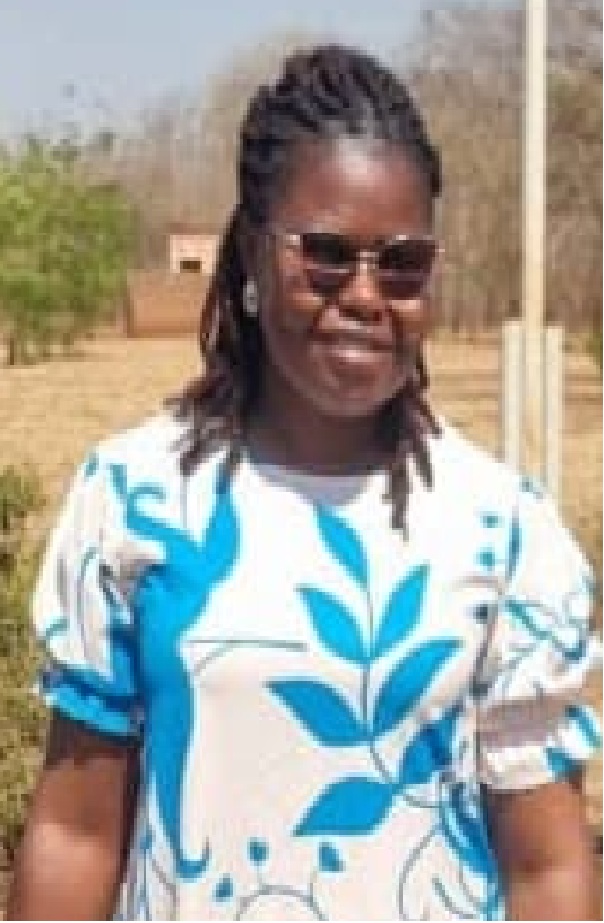
Charity, Head of Children Relations for ZOE Zambia

Charity

Head of Children Relations · Zambia

Nick leads regular management meetings with the wider leadership team. Martin supports the coordination and administration of the work, while Stephen oversees projects on the ground in Zambia and Charity works closely with the children, guardians and schools supported through the programme.

All four roles are voluntary and unpaid.

ZOE Zambia is an outreach of Vineyard25 and operates within Vineyard25's charitable structure. The programme and its finances are accountable through the Vineyard25 Trustees and the church's normal annual charity reporting.

The UK and Zambia teams remain in regular contact by phone and video throughout the year, with UK representatives also visiting Zambia to review the programme and projects in person.

CURRENT PROJECTS

What we're working on now

Each visit gives the team an opportunity to review what has changed, what is working well and where another practical investment could make a lasting difference.

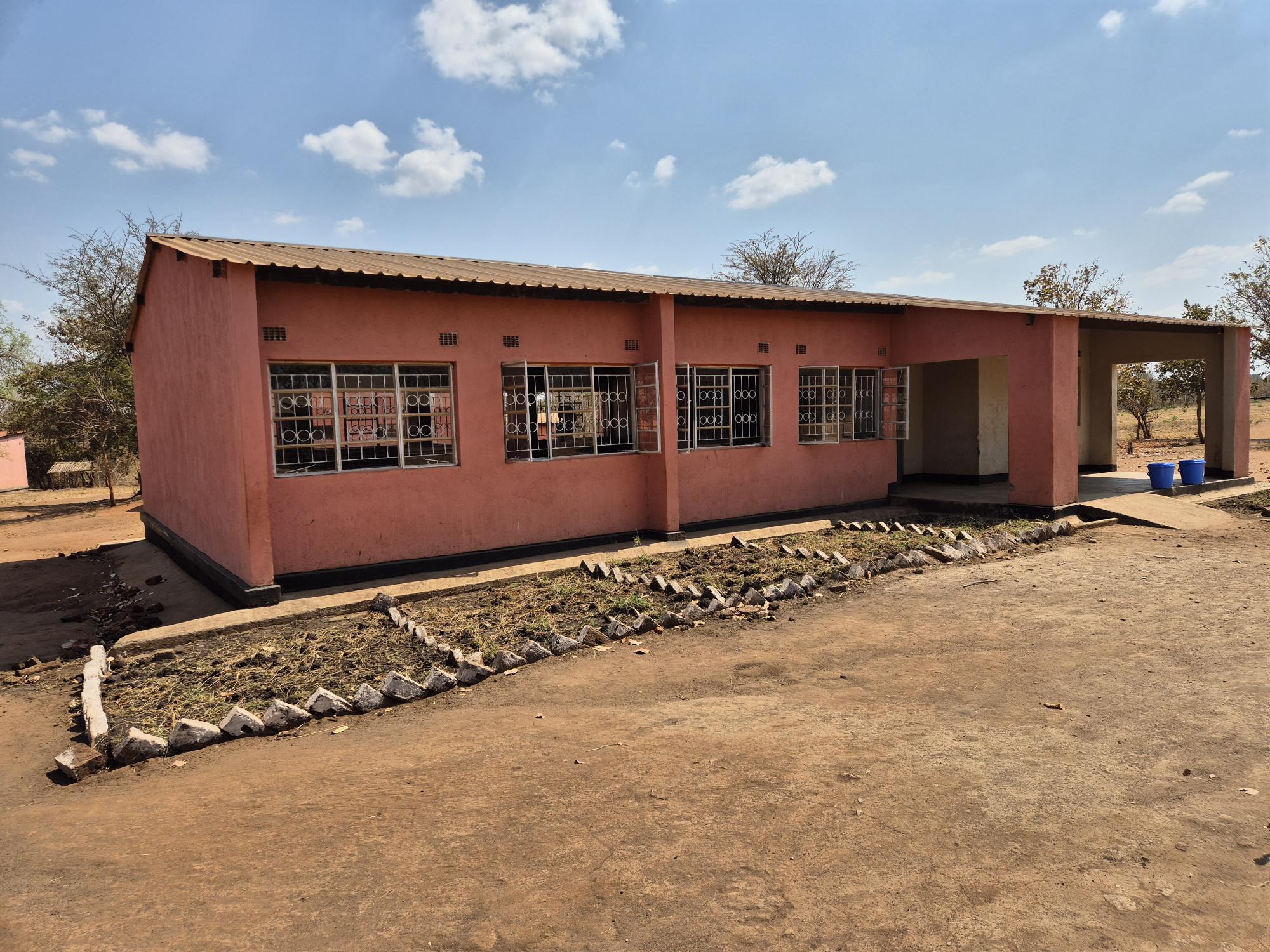
The new kindergarten at John Hunt Primary School.

The new kindergarten

Around 90 younger children now have a dedicated place to learn.

The new kindergarten is now in regular use and gives younger pupils a much better environment for their first years of education. One of the next priorities is creating a proper outdoor play area alongside the building.

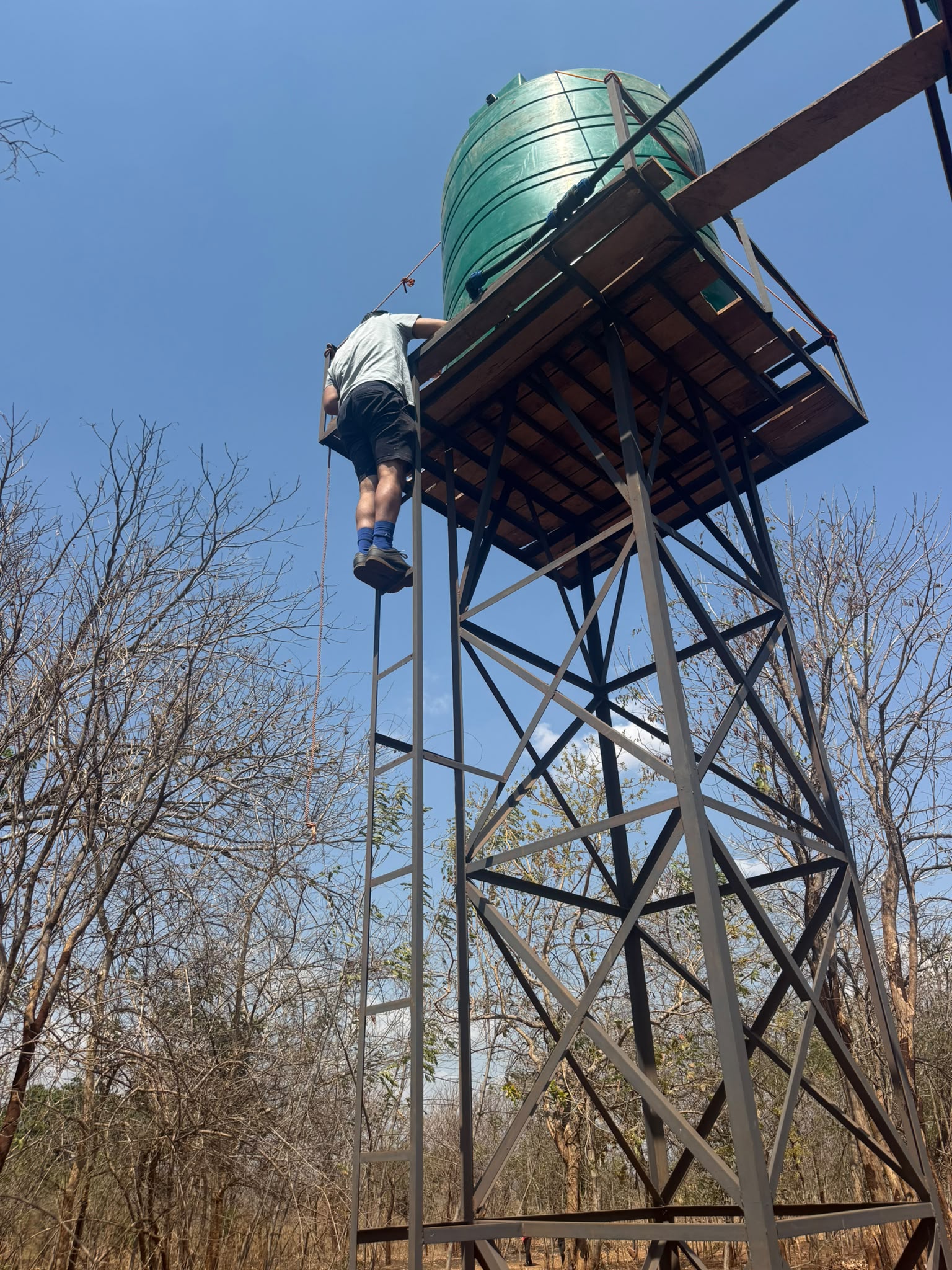
Checking the new water tank at John Hunt Primary School.

Reliable water

Water remains a practical challenge across the area.

Recent work has doubled the water storage available at John Hunt Primary to 10,000 litres. Elsewhere, the team continues to identify communities and projects where a more reliable water supply could unlock wider improvements.

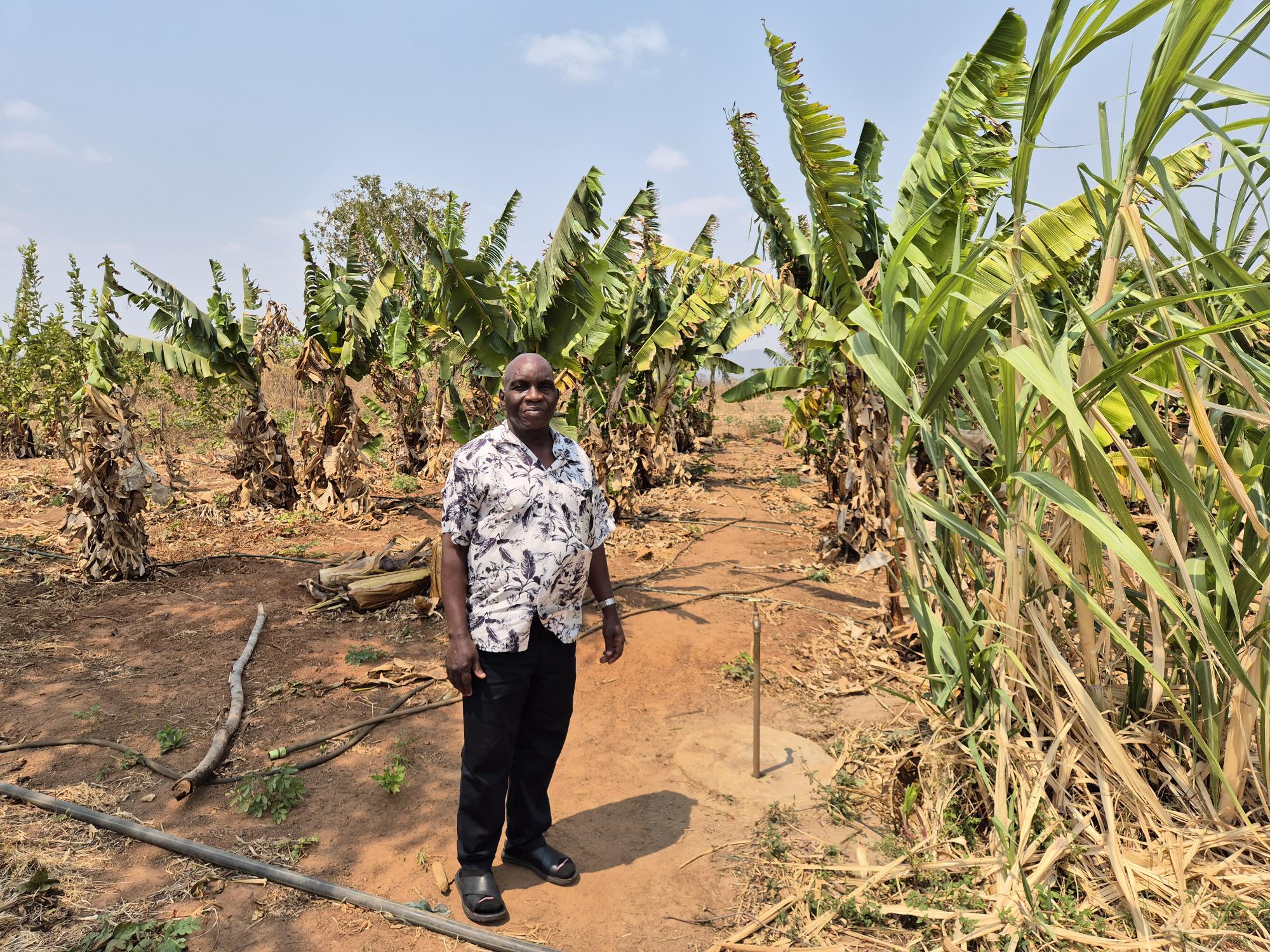
Stephen visiting a farm project in Eastern Zambia.

Supporting livelihoods

Some of the most useful projects are the ones that help families become more resilient themselves.

Over the years ZOE has supported farming and food-growing projects alongside its work with children and schools. Where water, crops or other practical investment can help a household or community become more secure, the team looks for solutions that can continue long after the initial funding.

Support ZOE Zambia

The programme is funded by people who choose to give. Some support an individual child over a number of years; others give towards the wider programme or a particular project when a need arises.

Give to ZOE

One-off and regular gifts support the programme wherever the need is greatest.

Individual donations have helped fund children's everyday needs, school buildings, clean-water projects, transport and practical improvements that would otherwise have been impossible.

A ZOE visit delivering letters and gifts from sponsors.

Sponsor a child

Regular sponsorship gives ZOE confidence that a child's education can continue from one year to the next.

Sponsorship helps cover school fees, uniforms, supplies and other needs as they arise. Sponsors receive appropriate updates through the ZOE team as the child grows.

Follow the work

The Zambia blog records the visits, people and projects behind the numbers.

For more regular updates between Vineyard25 reports, the team continues to publish photographs and stories from its visits and current projects.